Core Eye Services
CODEC | Comprehensive Dry Eye Care
Where Drops End, Clarity Begins
Dry eye symptoms can affect your comfort, vision and daily activities. At Clarity Eye, our Comprehensive Dry Eye Care program, known as CODEC, offers detailed testing and personalized treatment for patients with ongoing dry eye concerns.
CODEC brings dry eye testing, treatment and follow-up care together in one program. Our team works to understand what may be causing your symptoms before recommending the next steps.
Patients can self-refer to CODEC at our Scarborough, Vaughan, and Newmarket clinics.
Start Your CODEC Application

What are dry eyes?
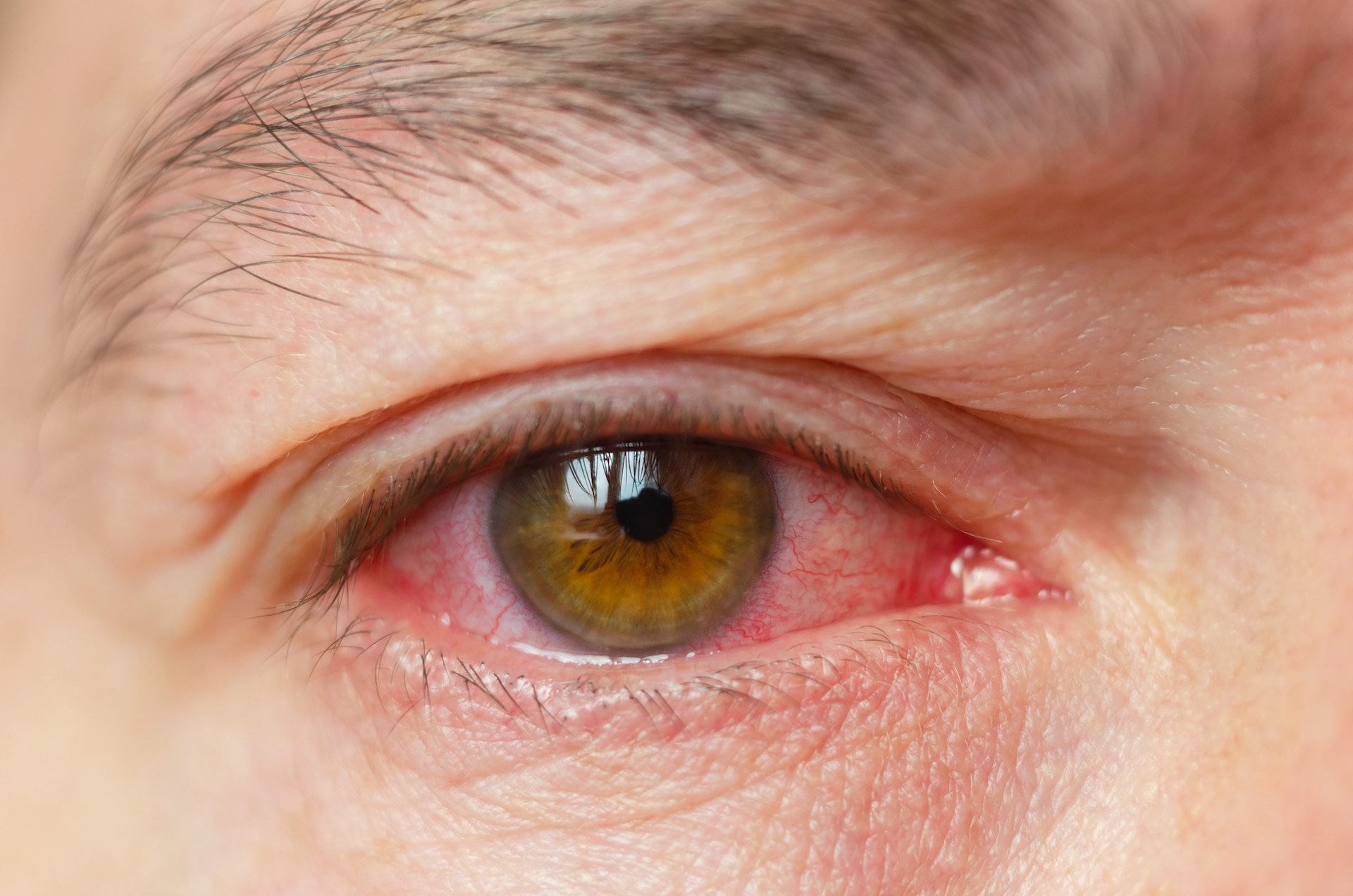
Dry eyes can occur when your eyes do not produce enough tears or when the tears evaporate too quickly. Healthy tears help keep the surface of the eye smooth, comfortable and protected. When the tear film does not work as it should, your eyes may become irritated, watery or sensitive.
Dry eye can have more than one cause. It may involve the amount of tears your eyes produce, the quality of those tears, inflammation or the function of the oil glands along your eyelids.

Symptoms of dry eye
Dry eye symptoms may include:
- Red or irritated eyes
- Burning, stinging or scratchy sensations
- A gritty feeling in the eyes
- Watery eyes
- Blurred or changing vision
- Sensitivity to light
- Stringy mucus around the eyes
- Discomfort while wearing contact lenses
- Tired or heavy-feeling eyes
- A feeling that something is in the eye
- Difficulty reading or using screens for long periods
- Difficulty driving at night
These symptoms can also be caused by other eye conditions. A proper assessment helps our team determine what may be contributing to your discomfort.
Patients with concerns involving the front surface of the eye can also learn about our cornea and external disease services.
What is CODEC?
CODEC stands for Comprehensive Dry Eye Care.
It is a structured dry eye program that combines advanced diagnostic testing, targeted treatment and ongoing management. Access to ophthalmology support is available when clinically appropriate.
Rather than treating every patient in the same way, CODEC allows our team to look at different parts of the tear film, eyelids and eye surface. Your results help guide a treatment plan based on your individual needs.
CODEC can support patients who:
- Continue to have symptoms while using artificial tears
- Experience frequent or ongoing eye irritation
- Have difficulty wearing contact lenses
- Have previously received dry eye treatment
- Have been told they may have meibomian gland dysfunction
- Want a more detailed dry eye assessment
- Have been referred by an optometrist or another healthcare provider
You can self-refer even if you do not currently have an optometrist or referring doctor.
Comprehensive dry eye testing
Your CODEC assessment may include several tests. The tests selected will depend on your symptoms, medical history and clinical findings.
InflammaDry
InflammaDry checks for MMP-9, a marker that may be associated with inflammation on the surface of the eye.
Tear osmolarity
Tear osmolarity measures the concentration of the tear film. This can provide information about tear balance and dry eye activity.
NIKBUT
Non-invasive keratograph break-up time, or NIKBUT, measures how long the tear film remains stable after you blink.
Tear meniscus height
This measurement helps assess the amount of tears resting along the lower eyelid.
Meibography
Meibography creates images of the meibomian glands inside the eyelids. These glands produce the oil that helps prevent tears from evaporating too quickly.
Lipid layer imaging
Lipid layer imaging examines the oily outer layer of the tear film and helps assess how well it is protecting the eye surface.
R-Scan redness analysis
R-Scan provides an objective measurement of visible redness on the eye surface.
The CODEC diagnostic work-up includes testing for tear stability, tear volume, inflammation, redness and meibomian gland health.
Dry eye treatment options
Your treatment plan will depend on your test results, symptoms and response to previous care. Not every patient will require every treatment.
Intense pulsed light
Intense pulsed light, or IPL, may be recommended for selected patients with dry eye related to eyelid inflammation or meibomian gland dysfunction.
LipiFlow
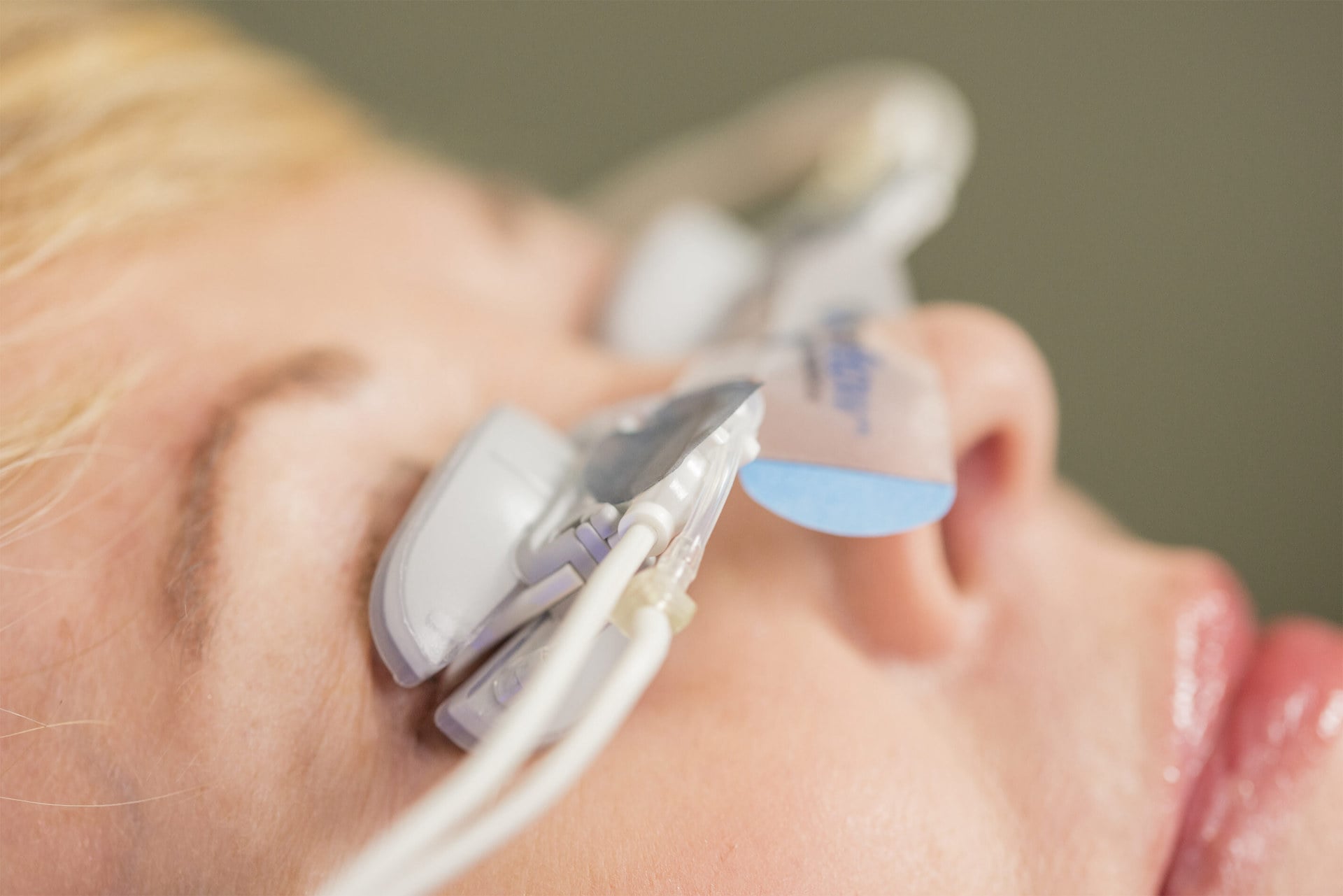
LipiFlow uses controlled heat and gentle pressure to help clear blocked meibomian glands in the upper and lower eyelids.
Radiofrequency treatment
Radiofrequency, or RF, may be included in the management plan for selected patients. Your clinician will determine whether this treatment is appropriate after completing your assessment.
ZEST and lid hygiene treatment
ZEST and other lid hygiene treatments help clean the eyelid margins and remove debris that may contribute to irritation.
Punctal plugs
Punctal plugs are small devices placed in the tear drainage openings. They may help the eyes retain natural tears and lubricating drops for longer.
Scleral lenses
Scleral lenses are specialty contact lenses that rest over the eye and hold a layer of fluid above the cornea. They may be considered for selected patients with more complex eye surface concerns.
PRGF and serum tears
Specialized tear preparations, including PRGF and serum tears, may be considered when standard artificial tears do not provide enough support.
CODEC treatment options include IPL, LipiFlow, ZEST, punctal plugs, scleral lenses, PRGF and specialized tear therapies.

Medicines and supportive products
Your personalized care plan may also include prescription medicine, lubricating drops or products used at home.
Recommendations may include:
- Artificial tears
- Serum tears
- Insulin drops
- Cequa
- Restasis
- Xiidra
- Ocunox
- Eyelid wipes
- Warming eye masks
- A personalized eyelid hygiene routine
Your clinician will explain how and when to use any recommended medicine or product. Do not stop or change a prescribed eye treatment unless your healthcare provider advises you to do so.
What to expect from CODEC
Step 1: Complete the online application
Use our self-referral form to tell us about your symptoms, previous treatments and preferred clinic.
Step 2: Our team reviews your information
A member of the CODEC team will review your submission. We may contact you if more information is needed before arranging your appointment.
Step 3: Attend your assessment
Your appointment may include a review of your symptoms, eye health, medical history, medications, current eye drops and previous dry eye treatments.
Step 4: Complete recommended testing
Our team will perform a series of diagnostic tests to better understand your tear chemistry, ocular surface structure, and symptoms.
Step 5: Review your care plan
Once your assessment is complete, your clinician will explain the findings and discuss suitable treatment options.
Your plan may include:
- In-clinic treatment
- Prescription medicine
- Artificial tears or supportive products
- Changes to your eyelid care routine
- Further assessment
Step 6: Continue with follow-up care
Dry eye often requires ongoing management. Your follow-up schedule will depend on your symptoms, test results and response to treatment.
Collaborative dry eye care
CODEC is designed to complement the care you already receive.
With your consent, relevant findings and treatment recommendations may be shared with your optometrist or referring healthcare provider. This helps support coordinated care and reduces unnecessary duplication of testing.
Patients who do not have a referring provider can still complete the online self-referral form.
You can also explore our general optometry services or meet our doctors.
Our CODEC team
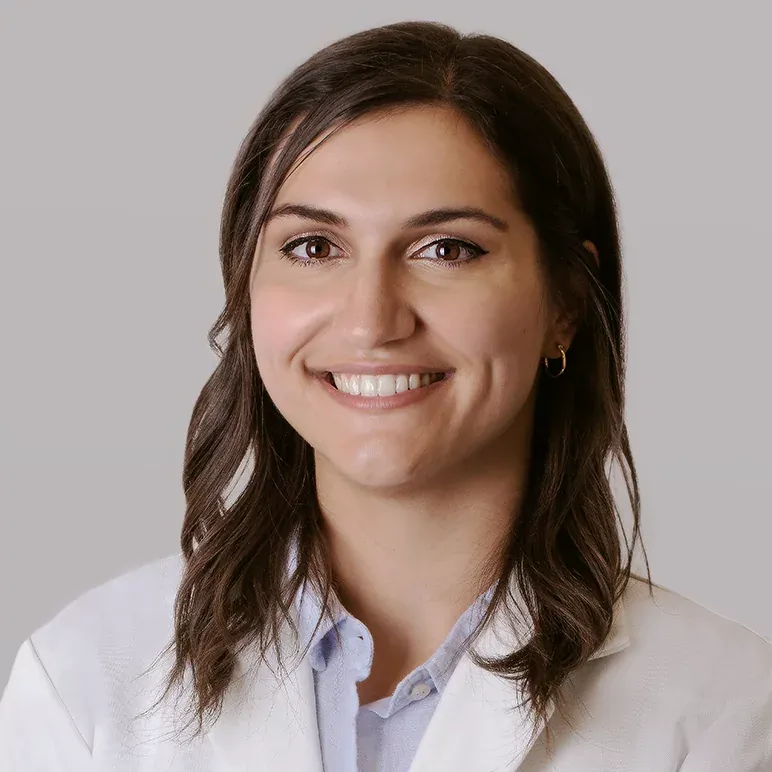
CODEC is led by residency-trained optometrist Dr. Melynda Gagliardi, whose residency was completed in collaboration with Massachusetts Eye & Ear Infirmary, Tufts Medical Center, BostonSight and New England College of Optometry. The program is supported by anterior segment ophthalmology when further medical or interventional care is required.
Dr. Melynda Gagliardi is the Chief Optometrist of the Comprehensive Dry Eye Program. (Clarity Eye) After working alongside Dr. King Chow for several years, she stepped into a leadership role within the program, bringing her experience and expertise to the forefront of dry eye care. In this role, she leads innovative approaches to patient care in one of the most rapidly evolving areas of optometry.
CODEC locations
The CODEC program is available at our Scarborough, Vaughan, and Newmarket clinics.
Frequently asked questions
No. Patients can begin the process by completing the online CODEC self-referral form. Our team will review your information and contact you about the next step.
Our team will perform a series of diagnostic tests to better understand your tear chemistry, ocular surface structure, and symptoms.
Your first visit may focus on consultation and diagnostic testing. Treatment may be provided at the same visit or scheduled for a later date, depending on your assessment and the service recommended.
No, CODEC Services are not covered by OHIP. Our team will explain any applicable fees before an uninsured service is provided.
No, LipiFlow is not covered by OHIP. Your clinician can explain the treatment and associated fees if it is recommended for you.
Continue using prescribed treatments unless your healthcare provider or the CODEC team gives you different instructions.
Please bring:
- Your glasses
- Your contact lenses and lens information
- A list of your current medications
- The eye drops and ointments you use
- Details about previous dry eye treatments
- Relevant eye reports or test results
Yes. CODEC is designed to support collaborative care. With your consent, relevant findings and recommendations may be shared with your optometrist or referring healthcare provider.
CODEC is currently available at our Scarborough, Vaughan, and Newmarket clinics.
No. The CODEC form is not intended for emergencies. Sudden vision loss, a serious eye injury, chemical exposure or severe eye pain requires urgent medical attention.
Take the next step
Dry eyes can have more than one contributing factor. CODEC provides a structured way to assess your symptoms and develop a plan based on your individual findings.
Questions about the program? Email dryeyes@clarityeye.ca or call 416-663-3937.